Classroom 30x: Transforming Education Through Innovation and Technology

The landscape of education is undergoing a rapid transformation, driven by technological advancements and the growing need for adaptive learning environments. One of the most talked-about solutions in this space is Classroom 30x. This term has become synonymous with cutting-edge educational practices, tech-integrated classrooms, and student-centered learning ecosystems. Whether you’re an educator, student, or policymaker, understanding Classroom 30x can help you stay ahead in the future of education.
Table of Contents
ToggleWhat Is Classroom 30x?
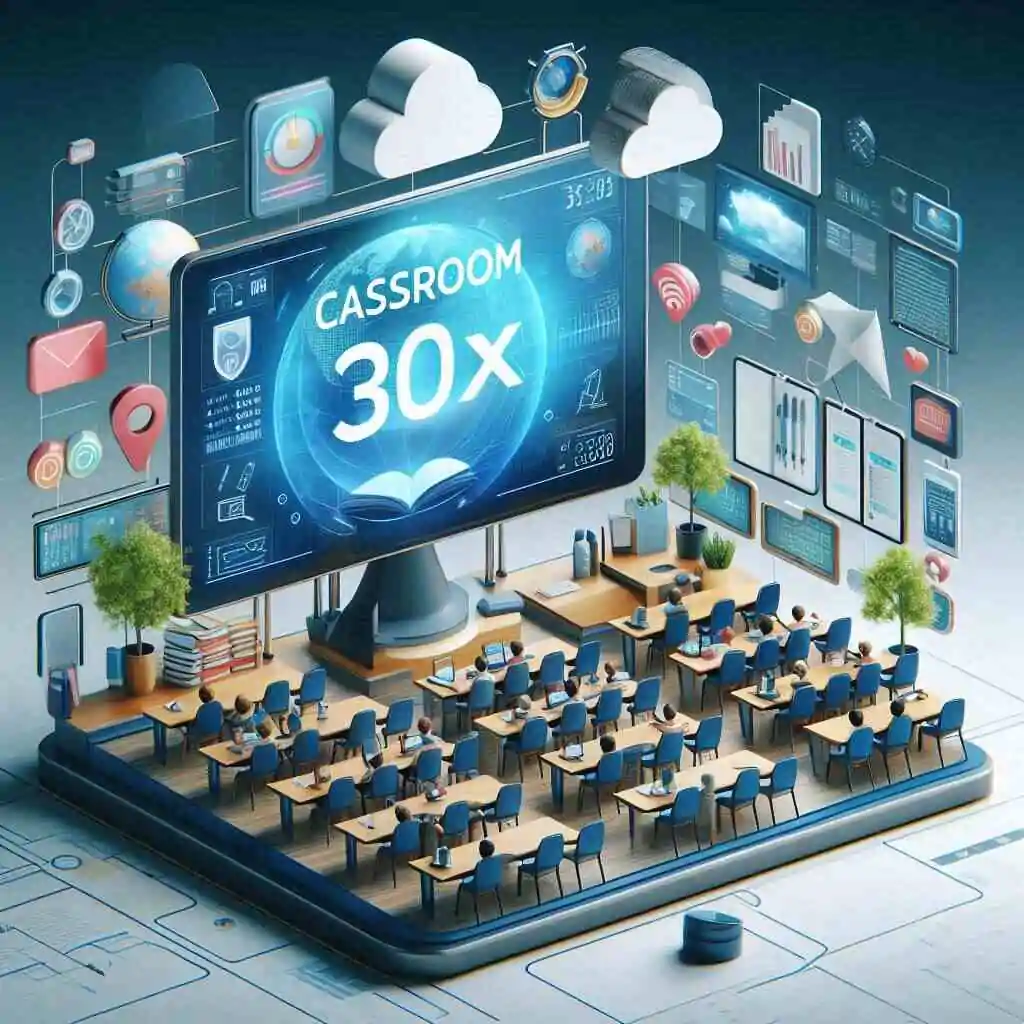
Classroom 30x refers to a futuristic, technology-enhanced learning environment designed to optimize engagement, collaboration, and personalized instruction. Unlike traditional classroom setups, Classroom 30x integrates smart tools, digital resources, and interactive technologies to create a dynamic and inclusive learning space.
In essence, Classroom 30x is not just a physical space but a holistic approach to education that focuses on three key pillars:
-
Technology Integration
-
Collaborative Learning
-
Adaptive and Personalized Instruction
By combining these elements, Classroom 30x ensures that students receive the support they need to thrive academically and personally in the 21st century.
Key Features of Classroom 30x
1. Smart Boards and Interactive Displays
One of the hallmarks of Classroom 30x is the use of smart boards and interactive displays. These tools allow teachers to present multimedia lessons, conduct real-time assessments, and engage students through touch-based interactions. Unlike traditional whiteboards, smart displays in Classroom 30x facilitate active participation and foster creativity.
2. Real-Time Collaboration Tools
Collaboration is at the heart of Classroom 30x. With cloud-based platforms, students and teachers can collaborate on projects, share feedback, and work together seamlessly—whether in-person or remotely. Tools like Google Workspace for Education, Microsoft Teams, and other edtech solutions are often integrated into the Classroom 30x ecosystem.
3. Adaptive Learning Software
Classroom 30x uses adaptive learning software that personalizes content based on a student’s performance and learning style. These platforms use AI and data analytics to identify gaps in knowledge and provide tailored lessons, quizzes, and activities. This helps ensure that no student is left behind.
4. Virtual Reality (VR) and Augmented Reality (AR)
Immersive learning experiences are another defining characteristic of Classroom 30x. VR and AR tools allow students to explore historical sites, conduct virtual science experiments, or engage in simulated environments—right from their desks. This elevates engagement and enhances conceptual understanding.
5. Seamless Device Integration
In Classroom 30x, all student devices—from tablets to laptops—are interconnected through a central network. This integration allows for synchronized lessons, instant feedback, and real-time monitoring of student progress. Teachers can push assignments, quizzes, or multimedia content directly to student devices.
Benefits of Classroom 30x for Students
Personalized Learning Experience
With Classroom 30x, students benefit from customized learning paths tailored to their strengths and weaknesses. This helps boost confidence, improve outcomes, and foster a love for learning.
Increased Engagement and Motivation
Interactive technologies and multimedia content in Classroom 30x stimulate curiosity and keep students engaged. Gamified lessons, virtual field trips, and real-time collaboration contribute to higher motivation levels.
Enhanced Digital Literacy
In today’s digital world, fluency with technology is essential. Classroom 30x equips students with the skills they need to navigate digital platforms, communicate effectively online, and use technology responsibly.
Inclusive Learning Environment
Classroom 30x is designed to be inclusive, offering accessibility features such as text-to-speech, translation tools, and screen readers. This ensures that students with diverse needs can participate fully in the learning process.
Benefits of Classroom 30x for Educators
Efficient Lesson Planning and Delivery
Educators in Classroom 30x can use digital tools to plan, deliver, and evaluate lessons efficiently. Templates, content libraries, and automation tools save time and streamline workflows.
Real-Time Assessment and Feedback
Formative assessments are seamlessly integrated into lessons in Classroom 30x. Teachers can monitor student progress in real time and provide immediate feedback, enabling timely interventions.
Professional Development Opportunities
Many Classroom 30x models include ongoing professional development programs for teachers. These help educators stay updated on the latest teaching methodologies, digital tools, and best practices.
How to Implement Classroom 30x in Your School
1. Assess Your Current Infrastructure
Before transitioning to Classroom 30x, evaluate your existing technological infrastructure. Identify areas that require upgrades such as Wi-Fi networks, hardware, and digital platforms.
2. Choose the Right Tools
Select software and hardware that align with your educational goals. Look for scalable solutions that can grow with your school’s needs. Ensure compatibility with existing systems.
3. Train Educators and Staff
Provide comprehensive training for teachers and administrative staff. Focus on practical usage, troubleshooting, and instructional strategies that leverage Classroom 30x technologies.
4. Pilot Programs and Feedback Loops
Start with a pilot program in select classrooms to test the system. Gather feedback from students, teachers, and parents to refine your approach before scaling.
5. Monitor and Optimize
Once implemented, continuously monitor the impact of Classroom 30x on student outcomes and teacher satisfaction. Use data analytics to make informed decisions and optimize performance.
Future Trends in Classroom 30x
Artificial Intelligence in Education
AI is set to play a significant role in Classroom 30x, offering capabilities such as automated grading, intelligent tutoring systems, and predictive analytics.
Gamification and Game-Based Learning
Gamified content is expected to become a standard feature in Classroom 30x, increasing engagement and promoting skill development through play.
Blockchain for Education Records
Secure and decentralized record-keeping through blockchain may become part of Classroom 30x, ensuring transparency and authenticity in academic credentials.
Global Collaboration Opportunities
Through virtual classrooms and global learning communities, Classroom 30x enables cross-border collaboration, cultural exchange, and exposure to global perspectives.
Challenges and Considerations
While Classroom 30x offers numerous benefits, it also presents challenges:
-
Digital Divide: Ensuring all students have access to devices and internet connectivity is crucial.
-
Data Privacy: Safeguarding student data is essential when using digital tools.
-
Cost of Implementation: Budget constraints can limit access to advanced technologies.
-
Teacher Readiness: Professional development and change management are key to successful adoption.
By proactively addressing these challenges, schools can maximize the impact of Classroom 30x and create a future-ready educational environment.
Conclusion
Classroom 30x represents a significant leap forward in how we approach teaching and learning. With its emphasis on technology, collaboration, and personalization, it offers a roadmap for transforming traditional classrooms into hubs of innovation and inclusivity. As schools and educators embrace this model, they pave the way for a more engaging, effective, and equitable education system.
Whether you’re a teacher looking to enhance your instruction or a school administrator aiming for institutional growth, Classroom 30x is more than a trend—it’s the future of learning. Embrace it today to empower the learners of tomorrow.