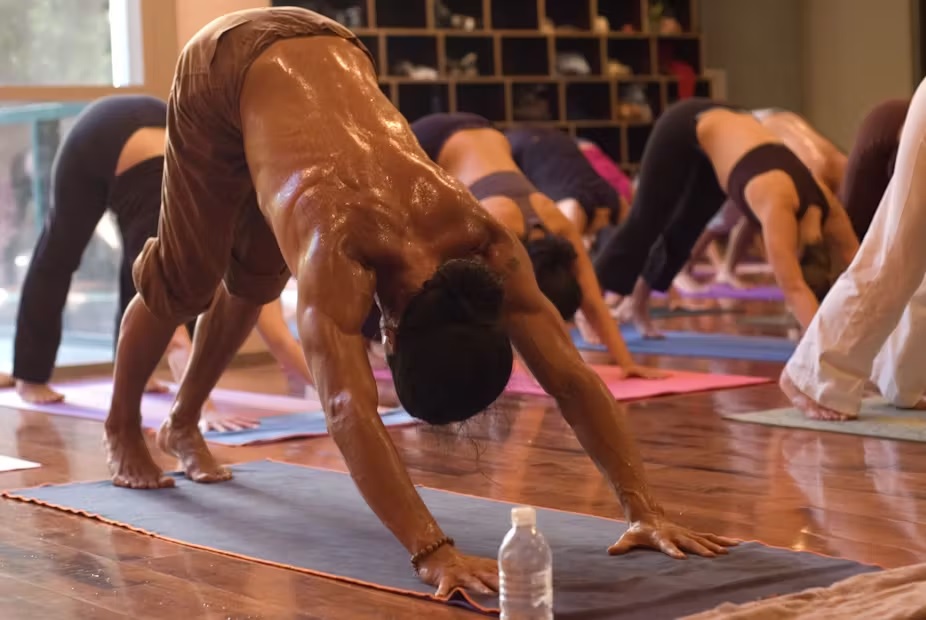
For many in Singapore recovering from injuries—whether from sports, lifestyle habits, or chronic conditions—finding a sustainable and effective path to healing can be challenging. Surprisingly to some, hot yoga is gaining popularity not only as a fitness trend but as a valuable tool in muscle rehabilitation and injury recovery.
The combination of heat, controlled movement, and breathwork can create an ideal environment for easing stiffness, rebuilding strength, and restoring joint function. This article explores how hot yoga helps injured or recovering individuals regain mobility and confidence.
Why Singaporeans Are Turning to Hot Yoga for Recovery
In a fast-paced city where many juggle work stress, sedentary office routines, or intensive workouts, injury is not uncommon. Whether it’s a lower back strain, shoulder tension, or joint pain, hot yoga offers therapeutic benefits tailored to these modern challenges.
Hot yoga’s appeal lies in its low-impact nature. Unlike high-intensity workouts, it allows gentle strengthening and stretching in a warm environment that enhances muscle pliability and circulation.
How Hot Yoga Aids the Healing Process
1. Heat Enhances Muscle Flexibility
Heat warms up the muscles faster, which reduces the risk of further strain. In a typical hot yoga class, the studio is heated to 35–40°C—ideal for promoting flexibility without overexertion.
This warmth helps those with tight hamstrings, stiff shoulders, or post-injury scar tissue ease into movements they might otherwise find painful.
2. Improved Blood Flow for Faster Healing
Hot yoga improves circulation, which supports tissue repair. Increased blood flow delivers oxygen and nutrients to injured areas, speeding up the healing process and reducing inflammation.
This is especially important for recovering from soft tissue injuries such as muscle tears or ligament sprains.
3. Encourages Gentle Muscle Engagement
Unlike high-impact rehab activities, hot yoga uses body weight and slow transitions to re-engage dormant muscles without placing undue pressure on joints. This is crucial in the early recovery phase when strength and coordination need to be rebuilt.
4. Supports Joint Mobility and Alignment
Hot yoga incorporates dynamic and static poses that target joint health. Poses like gentle twists and hip openers restore alignment and improve joint range of motion—key to long-term recovery.
This can benefit people with knee, hip, shoulder, or spinal issues recovering from surgery or repetitive stress injuries.
5. Stress Reduction for Holistic Healing
Mental stress often accompanies physical injury. Hot yoga emphasises breath control and mindfulness, which lowers cortisol levels and helps create a positive mental framework—critical for those on a healing journey.
Recommended Poses for Injury Recovery
Not all poses are suitable during recovery. However, many hot yoga sequences can be adapted to your condition. Here are some safe and beneficial poses:
- Child’s Pose (Balasana): Excellent for spinal decompression and relaxation
- Supported Bridge Pose: Gently strengthens the lower back and glutes
- Cat-Cow (Marjaryasana-Bitilasana): Improves spine flexibility and posture
- Seated Forward Fold (Paschimottanasana): Stretches hamstrings and lower back
- Legs-Up-the-Wall (Viparita Karani): Improves circulation and reduces leg fatigue
Always inform your instructor about your injury so they can offer safe modifications.
Real-Life Experiences in Singapore
A 45-year-old finance professional from Orchard Road shared how hot yoga helped him recover from a slipped disc without requiring surgery. After three months of consistent sessions, his core strength and spinal stability significantly improved.
Another practitioner, a former tennis player in her early 30s from Bedok, explained how hot yoga helped her regain shoulder mobility after a rotator cuff injury. The slow progress and warmth gave her the confidence to return to physical activity.
Things to Keep in Mind During Recovery
- Always Consult a Physician: Before beginning any new exercise, get clearance from your doctor or physiotherapist.
- Start with Beginner Classes: Studios like Yoga Edition offer gentle options suitable for those in recovery.
- Listen to Your Body: Never push into pain. The goal is healing, not performance.
- Hydrate and Rest: Recovery is supported by proper hydration and post-class rest.
- Use Props: Blocks, bolsters, and straps make it easier to modify poses without straining.
Why Hot Yoga Over Other Forms of Rehab Exercise?
- More Relaxing Than Physiotherapy-Only Approaches
- Combines Strength and Flexibility in One Practice
- Heated Environment Accelerates Tissue Elasticity
- Offers Emotional Uplift Through Endorphin Release
In a recovery programme, consistency is key. Hot yoga not only supports physical healing but also builds the resilience needed for sustained recovery.
Frequently Asked Questions (FAQ)
Is hot yoga suitable if I have a chronic injury?
Yes, with your doctor’s approval. Classes can be modified to suit conditions like lower back pain, arthritis, or past surgeries.
Can hot yoga replace physiotherapy?
It’s a complementary practice. Hot yoga enhances recovery but should not replace professional medical rehab when needed.
Will the heat make my injury worse?
If practised safely, the heat can actually support healing. However, you must listen to your body and avoid overexertion.
How long after an injury can I start hot yoga?
This depends on the injury. Some people start within weeks; others may need months. Always get medical guidance first.
What if I can’t do certain poses?
Instructors will help with modifications using props and alternate movements suited to your condition.
Healing Through Heat: A Sustainable Path Forward
Recovering from an injury doesn’t have to mean inactivity. With mindful guidance and consistency, hot yoga can become an empowering part of your rehabilitation. From increased mobility and improved circulation to reduced stress and muscle reactivation, it offers a gentle yet effective way to get back on your feet.
For Singaporeans navigating recovery, hot yoga provides not only physical healing but a renewed sense of possibility and control.